The Change of Seasons

The winter solstice reminds us of the natural cycles of change—where darkness gradually gives way to light. In the same way, Buddhist teachings invite us to reflect on impermanence and the constant unfolding of our lives. By letting go of what has passed and embracing new beginnings with awareness and intention, we can meet each moment with greater ease, balance, and openness to what is yet to come.
Gratitude for the day
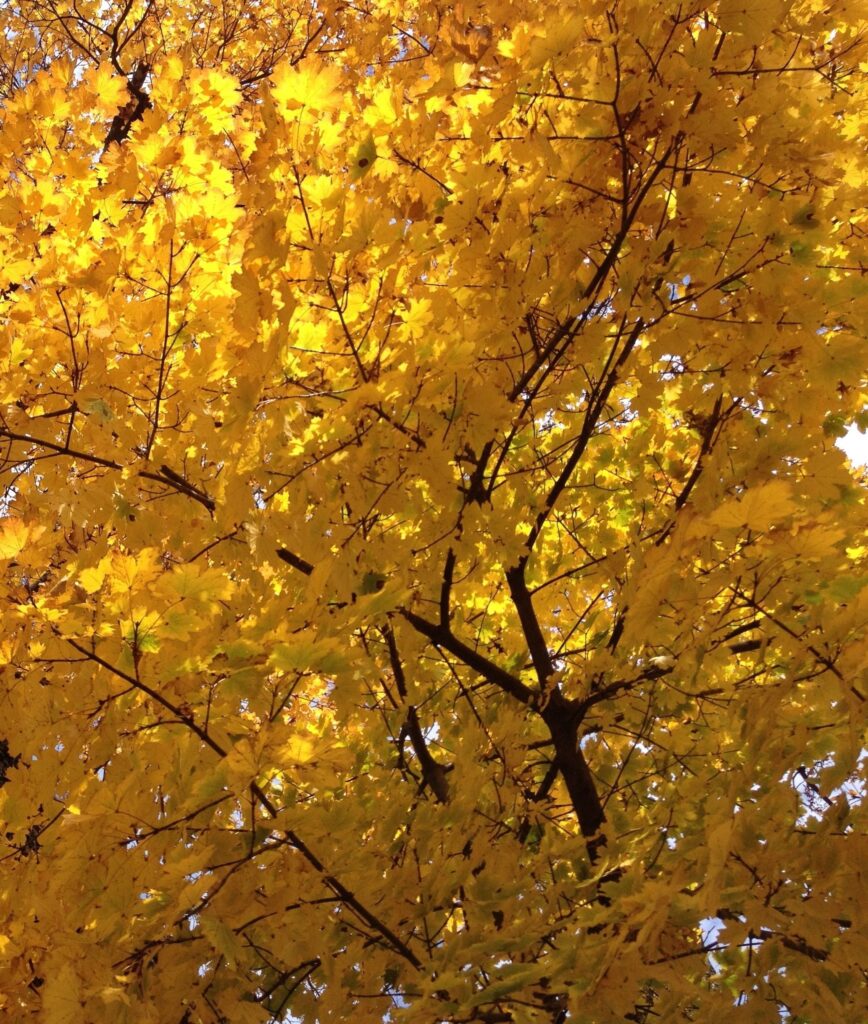
Gratitude has the power to shift our attention from what is lacking to the abundance already present in our lives. By recognizing simple gifts—warmth, connection, nourishment, and friendship—we open the heart and deepen our sense of well-being. In Buddhist practice, gratitude naturally leads to generosity, reminding us that giving and letting go are pathways toward greater freedom and connection.
Photography as Meditation Practice
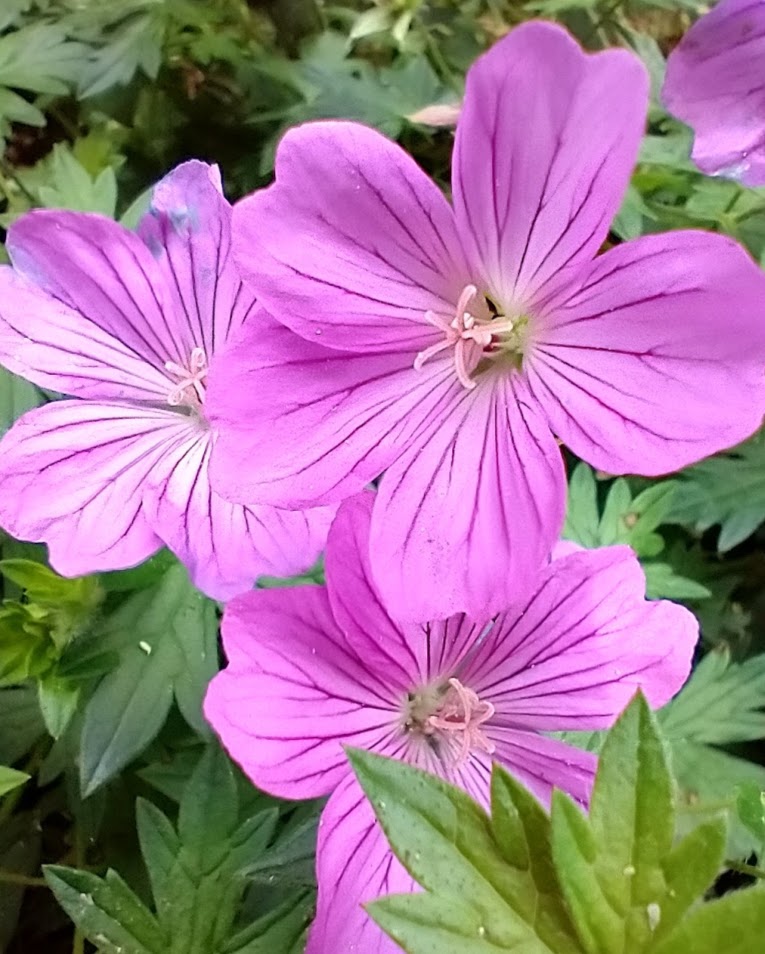
Photography can be more than capturing images—it can become a practice of mindfulness. Instead of grasping for the perfect shot, we can learn to notice the mind’s tendency to cling and gently return to presence. In moments of true awareness, the act of taking a photo arises naturally, free from tension or expectation, allowing us to experience a deeper sense of connection, ease, and simple delight in what is.
Practicing with Ease
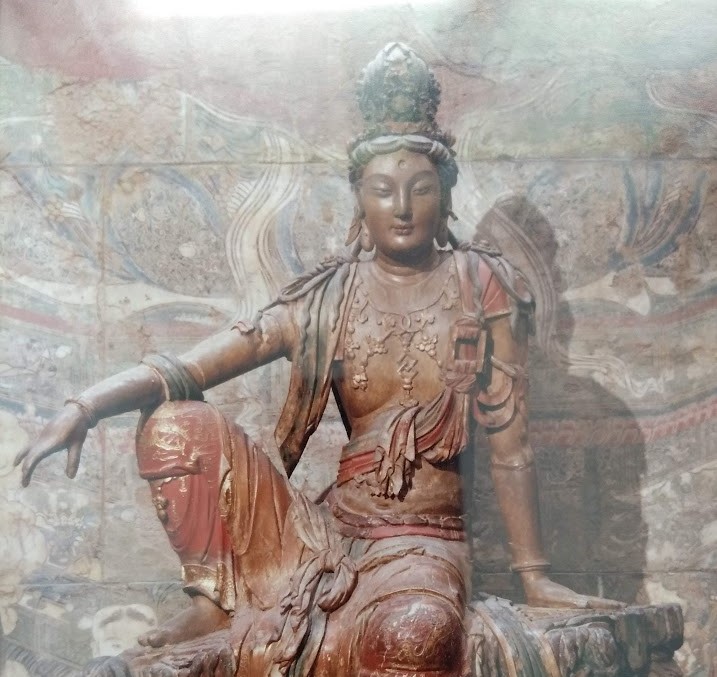
Meditation becomes more accessible when we create an environment of ease and support for both body and mind. By letting go of unnecessary struggle and gently returning when the mind wanders, we begin to experience meditation as natural, encouraging, and deeply rewarding.
The Joy of Generosity
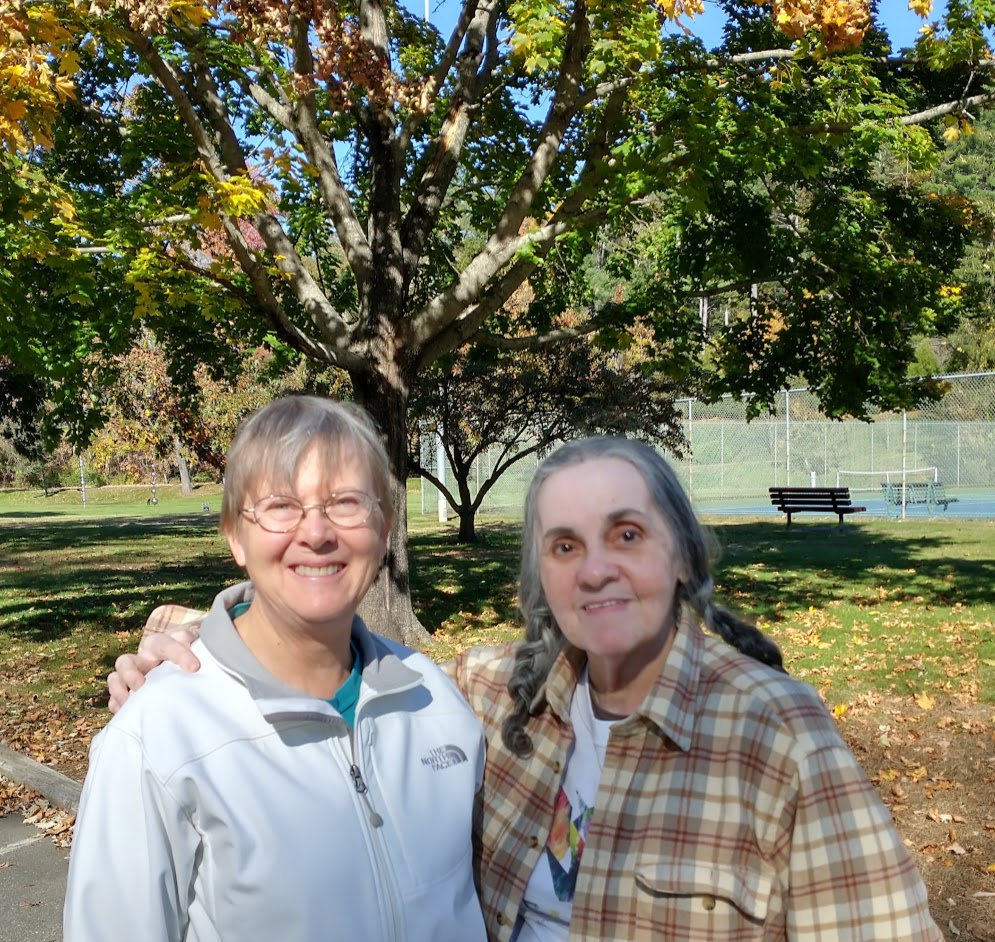
Our sangha participated in the Buddhist Global Relief fundraiser to help alleviate world hunger. Our local event was a walk at Look Park, offering a chance to practice generosity (dana) and loving kindness for all in need. Darla and I are pictured here enjoying the fall foliage.
Awareness and Sati

Mindfulness is often mistaken for narrow attention, but in the Buddha’s teachings it is something much broader. Rather than focusing tightly on a single object, mindfulness is like a gatekeeper—aware, spacious, and discerning of the whole field of experience. By relaxing effort and allowing awareness to open, we move from strain into a more natural, expansive presence, where attention arises within a larger field of clarity and ease.
Practicing in Nature

Time in nature invites us back to a simple and natural presence we often forget as we grow older. By slowing down and opening to the world around us, we reconnect with a quiet sense of ease and belonging. As reflected in Mary Oliver’s poetry, nature gently reminds us that being present, receptive, and at peace is not something we must achieve—but something we can return to, again and again.
Going with the Flow

Change is constant, yet we often resist it by clinging to what is pleasant and avoiding what is difficult. By learning to meet life with openness and allowing experiences to arise and pass, we begin to move with the flow rather than against it. In recognizing the impermanent nature of life, we discover greater ease and freedom through letting go.
What is Mindfulness?
Mindfulness is not something we can force—it arises naturally when attention and awareness work together. Rather than striving or tightening around experience, we can learn to recognize moments of mindfulness as they appear, gently returning to presence again and again. By appreciating these moments instead of judging distraction, we cultivate a more open, balanced awareness—one that brings ease, clarity, and a growing sense of freedom into our lives.
Positive Mind States
The Buddha taught that awakening arises through the cultivation of specific, skillful qualities of mind known as the Seven Factors of Awakening. By recognizing unskillful states like aversion or restlessness, and intentionally developing mindfulness, curiosity, balanced energy, joy, calm, concentration, and equanimity, we begin to see our experience more clearly. Through this practice, we learn that while we cannot avoid difficult experiences, we can transform our relationship to them—moving from reactivity and suffering toward greater freedom, balance, and understanding.